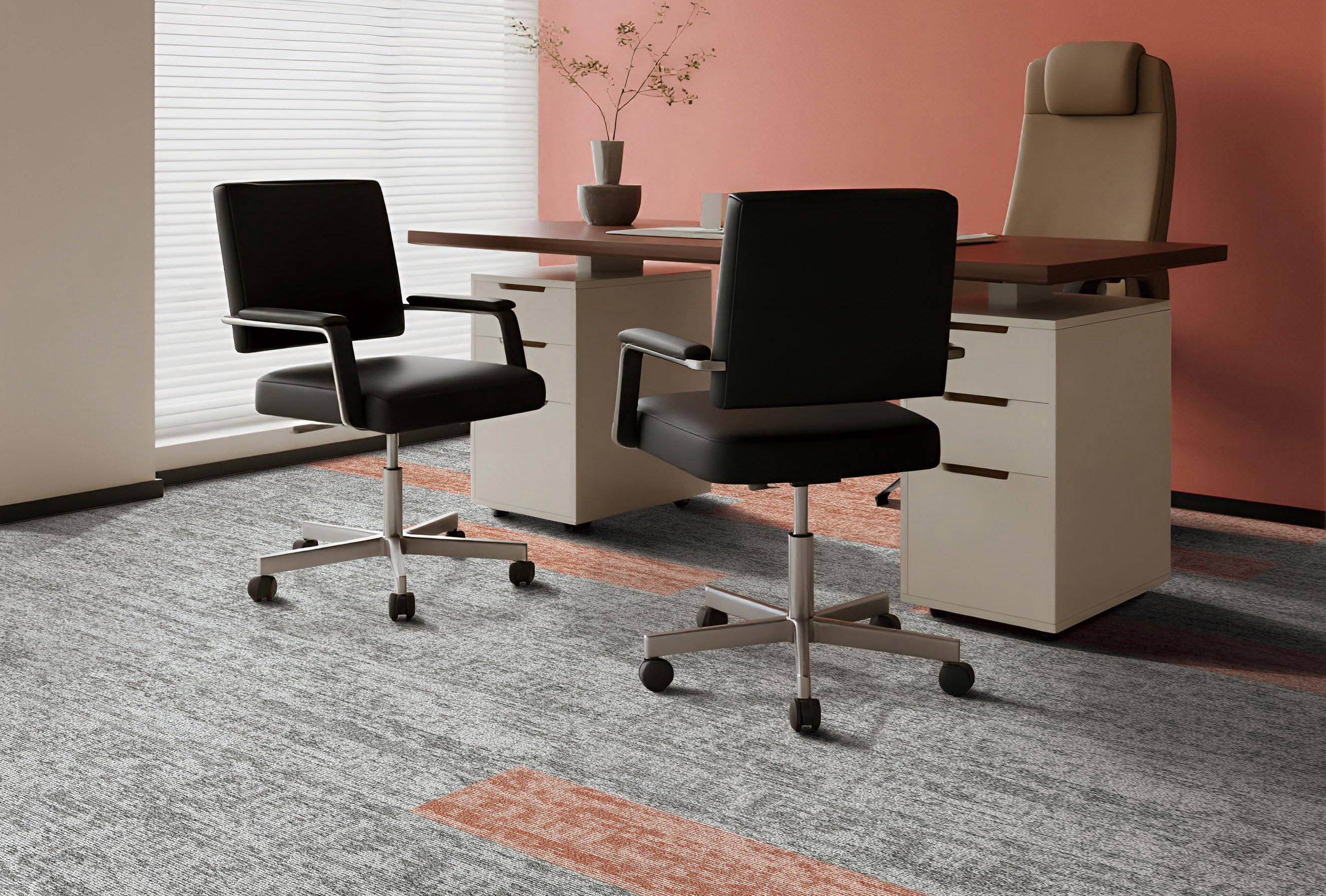
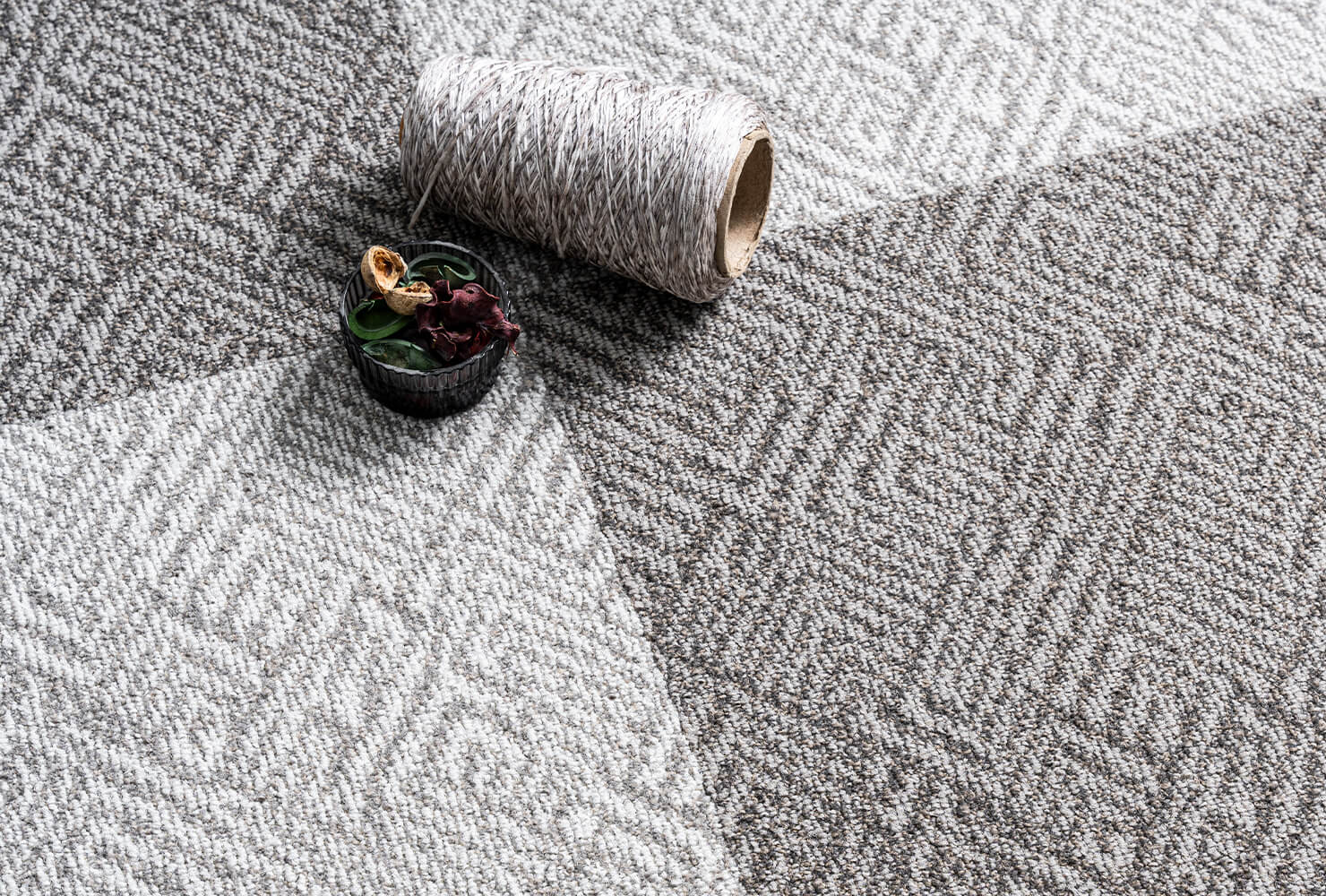
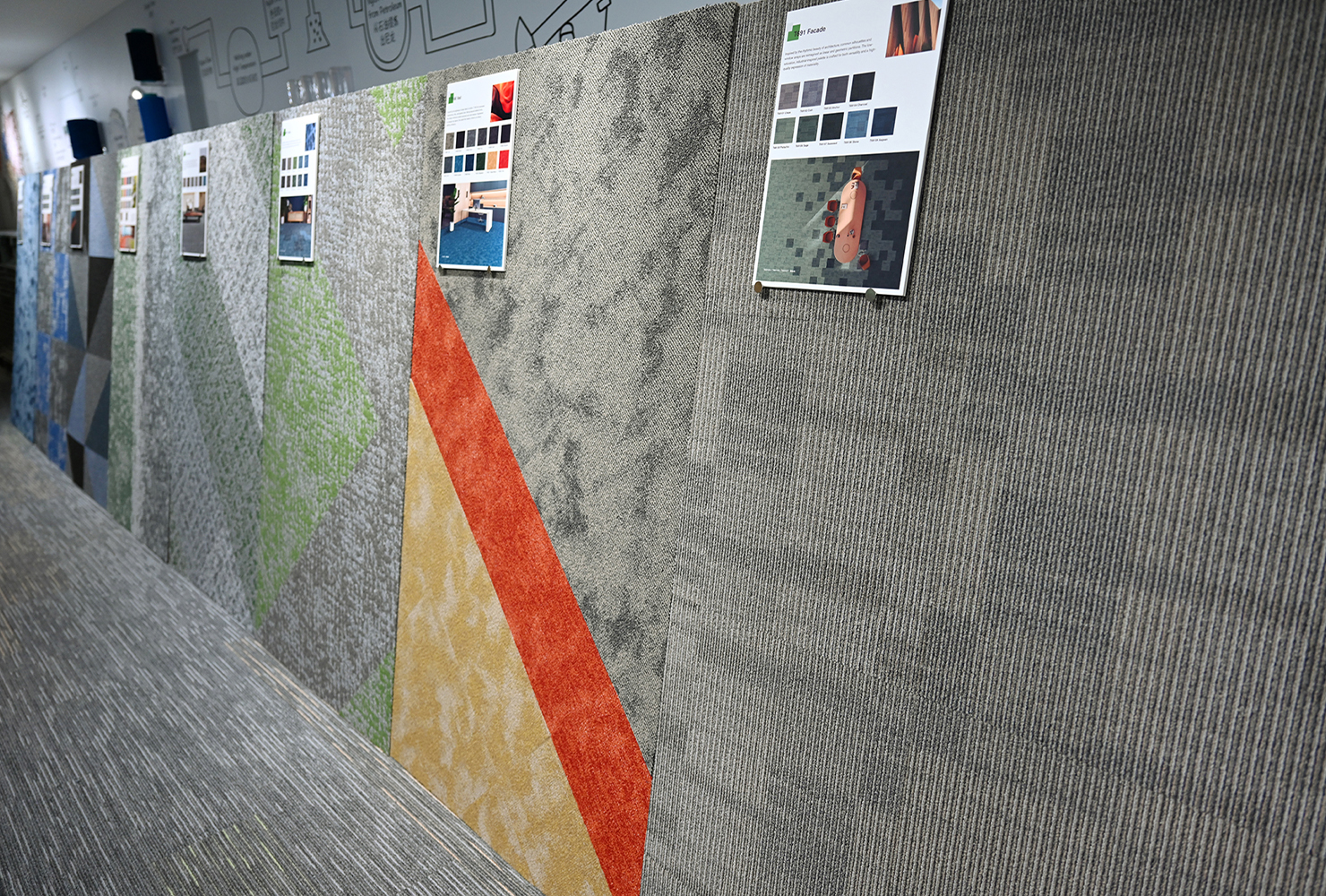
Coffee can spark your energy, but it can’t sweep away the uninvited guests hovering in the air. Pollen, mold spores, dust mites, and airborne particulates quietly compromise the health of indoor environments. Drifting on air currents, they eventually settle onto the floor—and are then kicked back into circulation by daily foot traffic and moving office furniture.
As green building standards like WELL and LEED put indoor air quality front and center, how can flooring truly safeguard modern, wellness-focused workspaces? It takes more than just trapping dust and particles. Through innovative backing technologies, antimicrobial features, and odor neutralization, advanced flooring actively and continuously elevates the indoor environment.
A Fresh Perspective on Flooring Materials
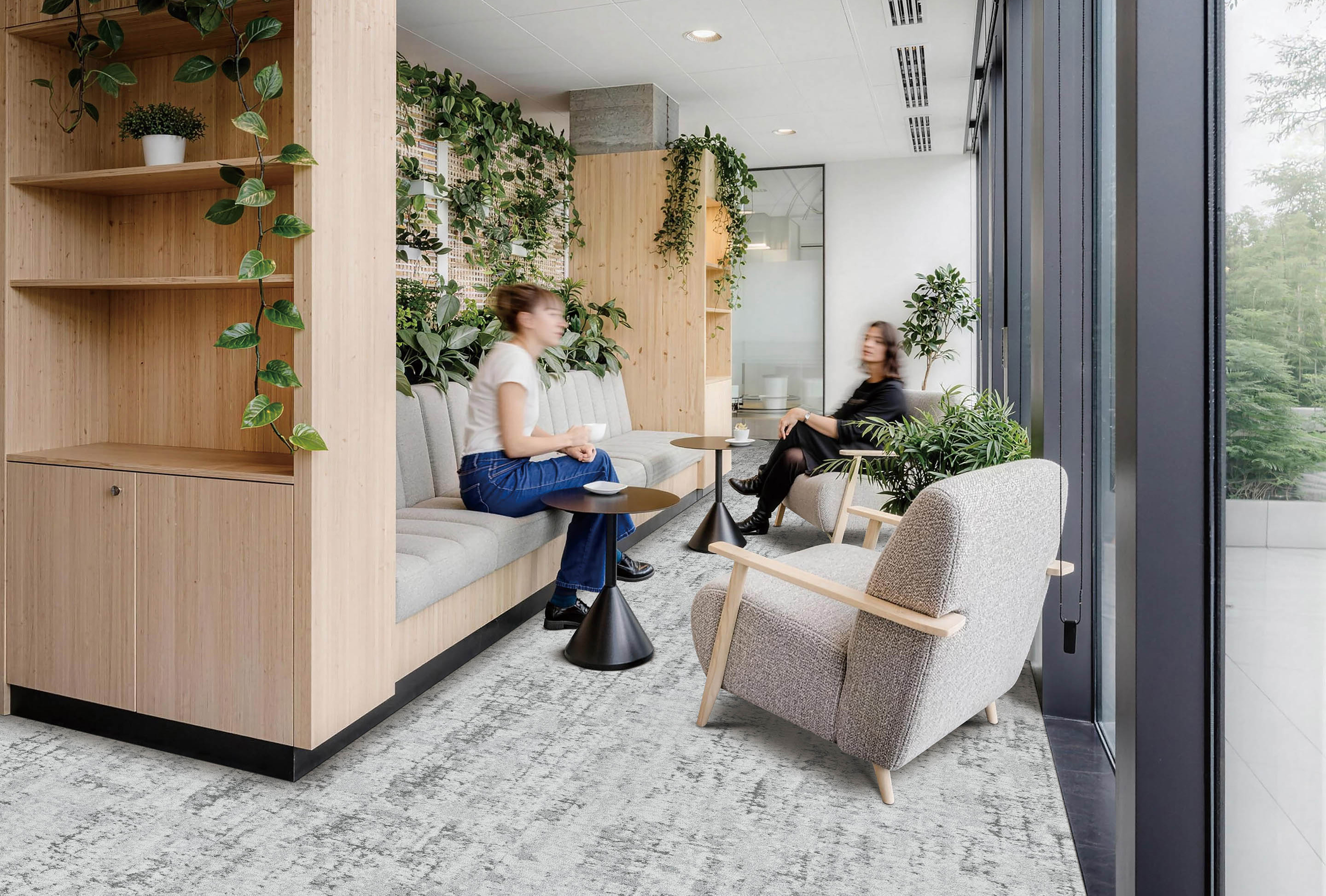
While carpeting was historically viewed as a magnet for dust and allergens, advances in fiber design, materials science, and eco-friendly manufacturing have transformed modern carpet tiles into an active line of defense for indoor air quality. Unlike hard surfaces that allow dust to be easily kicked back into the breathing zone, modern carpet tiles can trap dust and debris within their fibers, keeping them safely out of air circulation. With routine maintenance using certified vacuuming equipment, the vast majority of these trapped particles are easily extracted from the building, ensuring a crisp, healthy, and pristine environment.
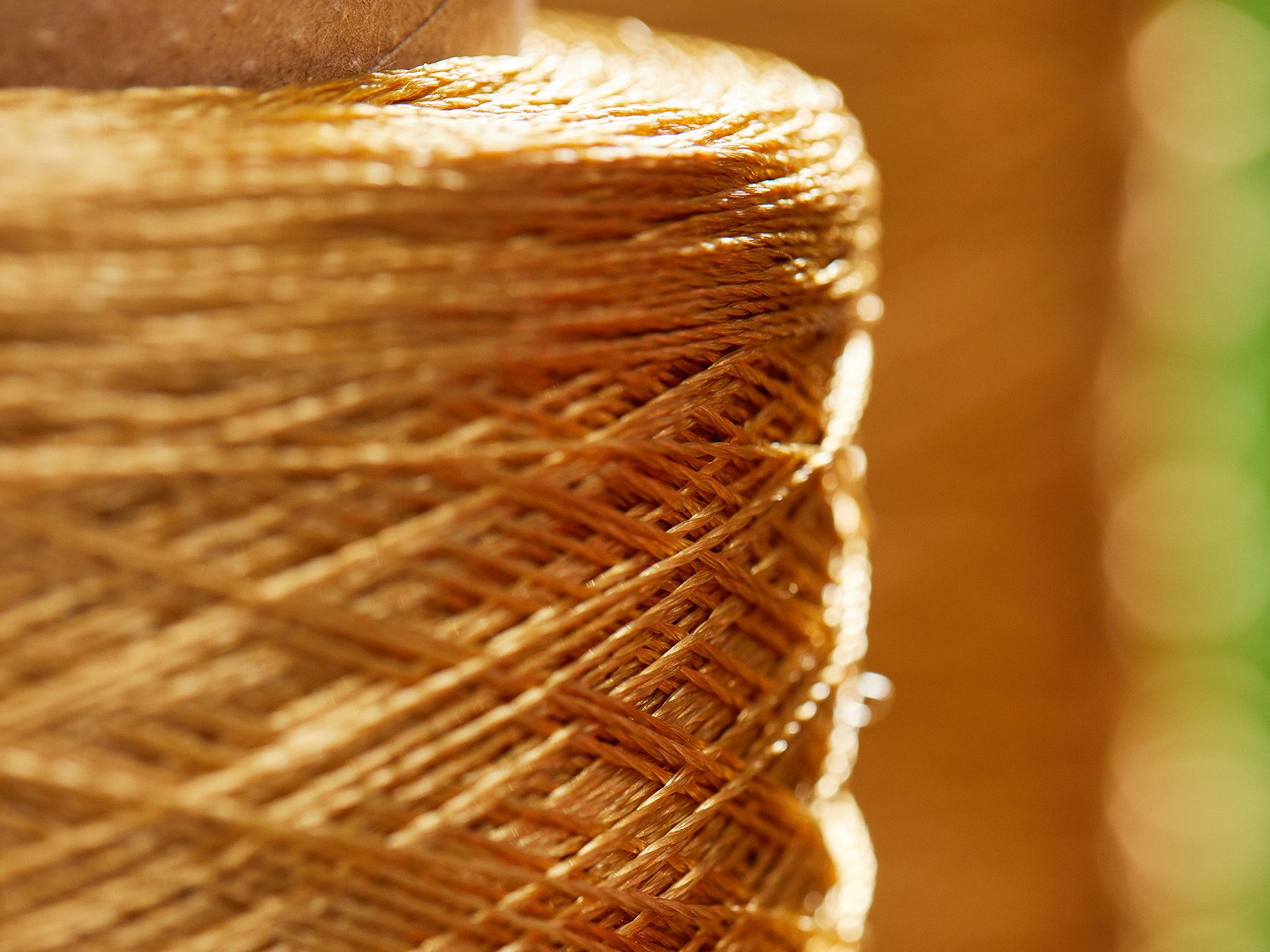
Innovations in Backing Materials and Craftsmanship
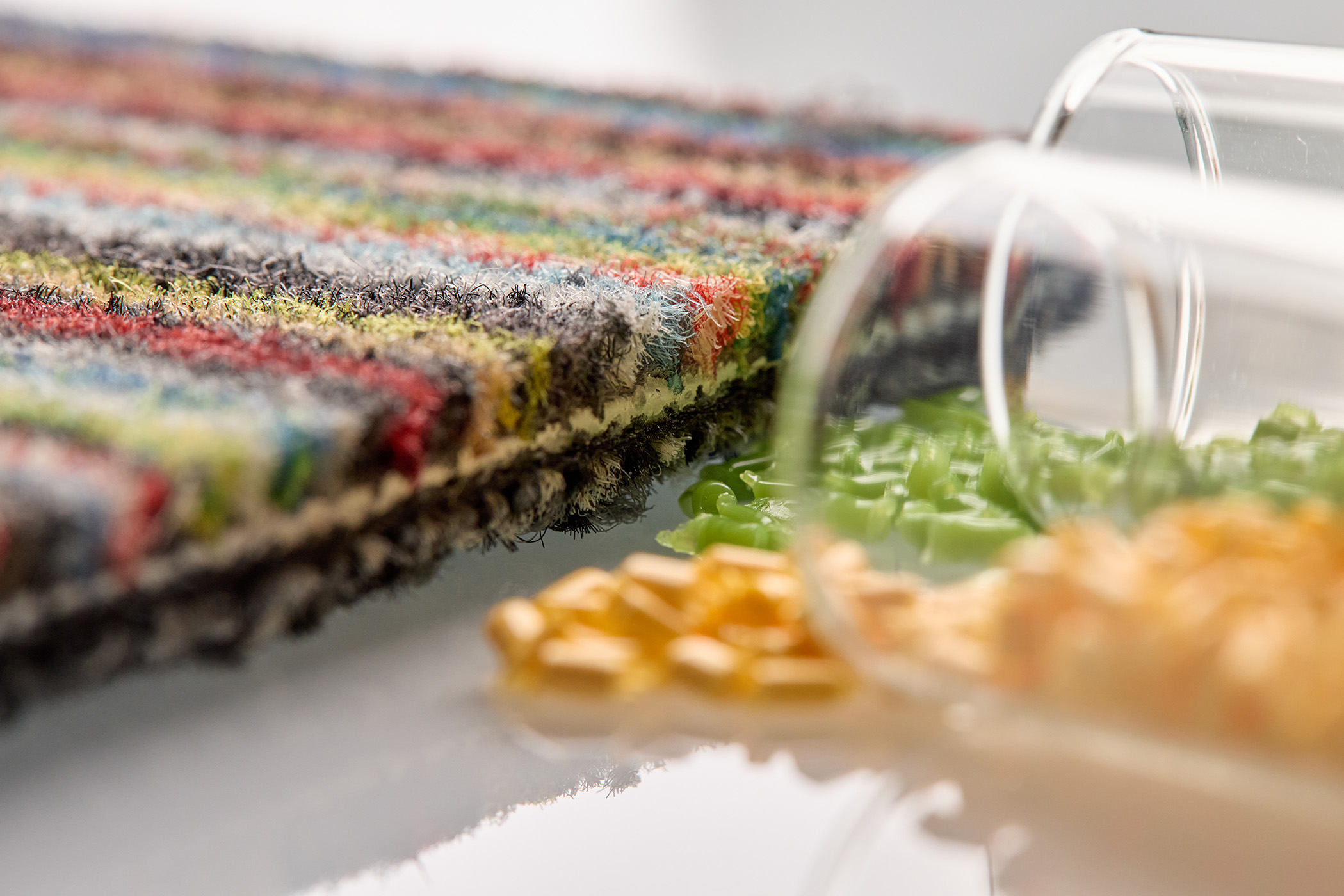
As one of the primary sources of VOC emissions in carpet manufacturing, the backing plays a critical role in shaping indoor air quality. Today, eco-friendly material innovations are redefining standard practice.
Eco-friendly Plasticizers: Polyvinyl chloride (PVC) remains a dominant backing material, but traditional plasticizers (such as DEHP and DOP) have long drawn scrutiny due to their tendency to migrate and potentially disrupt human endocrine systems. Modern high-end manufacturing has already replaced these with non-toxic, eco-friendly alternatives (for example, DOTP) to ensure carpet backings meet strict environmental safety standards throughout their entire lifecycle.
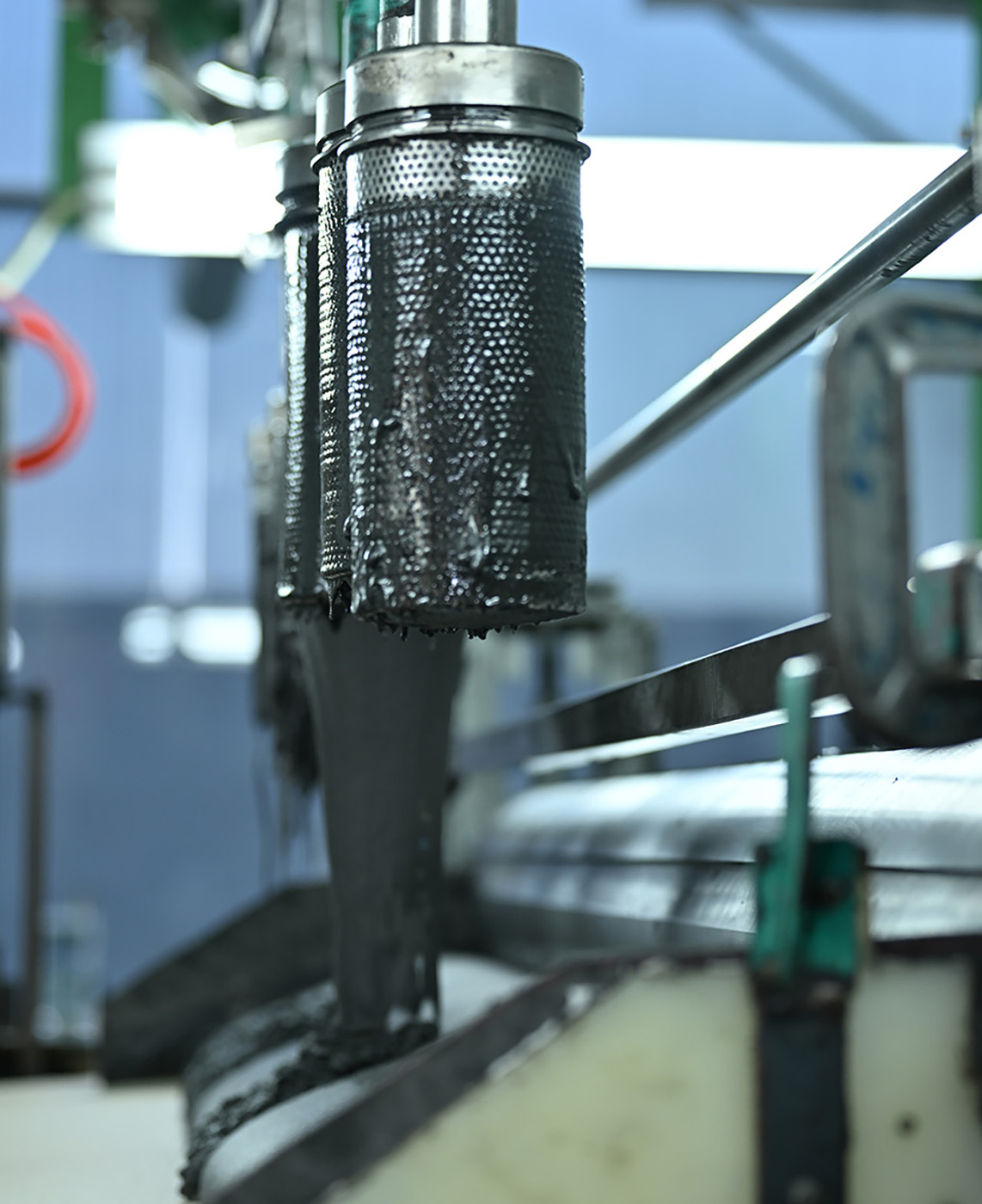
Upgrading to Low-VOC Materials: Leading manufacturers are pushing boundaries further by adopting all-nylon circular backings or advanced foam technologies. These next-generation backings not only enable closed-loop recyclability, but also significantly lower TVOC emissions, keeping harmful substances, for instance, formaldehyde and benzene, at minimal levels.
Microbial and Odor Control
Unprotected flooring can create favorable conditions for bacteria and mold. To combat this, modern carpet tiles incorporate advanced antimicrobial and air-enhancing technologies during manufacturing.
Long-Lasting Antimicrobial Protection: High-efficiency antimicrobial agents are integrated directly into carpet fibers during manufacturing. This process actively inhibits the growth of common pathogens—such as Staphylococcus aureus and Aspergillus niger—mitigating health risks associated with microbial growth.
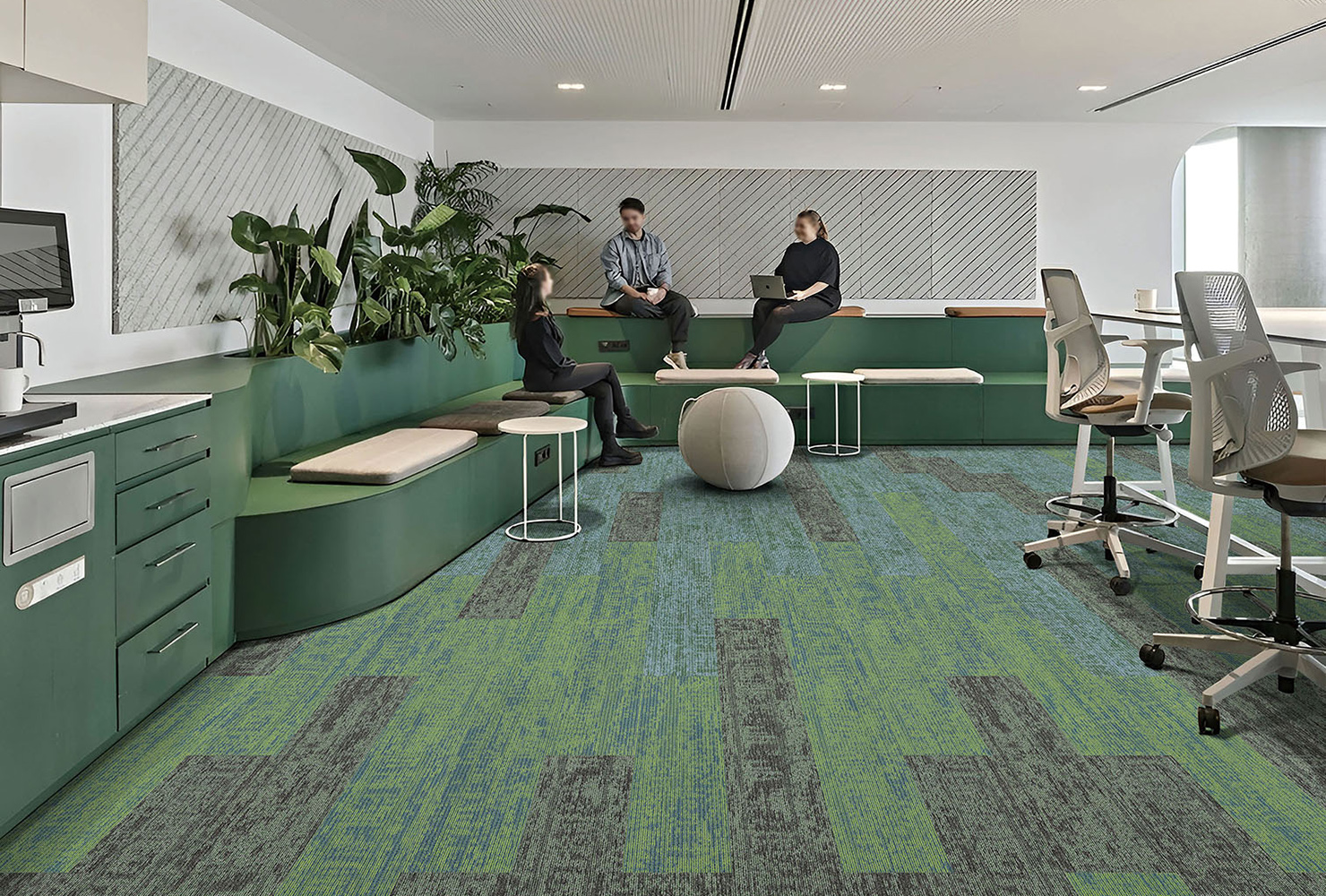
Odor Neutralization: Unlike legacy deodorization methods that use passive, easily saturated absorbers (such as activated carbon or diatomaceous earth), today’s solutions actively deliver continuous, long-term self-cleaning performance.
Take Tuntex’s EcoFresh™ as an example. This treatment embeds odor-neutralizing agents within the fiber. It targets and breaks down organic odors—including smoke, ammonia, and hydrogen sulfide—into harmless compounds. Driven by natural indoor air convection, this self-sustaining reaction continuously reactivates, providing long-lasting performance.

Today, flooring serves as both a design statement and a foundation for well-being. Every step should be accompanied by clean, healthy air. Ensuring the proven performance of flooring materials reflects not only design excellence, but a real commitment to the people inside.